Practical guides to AI search, smarter workflows and the systems behind them. Find an idea you can apply to your website, your team or your next project.
Written and edited at Cendar Lab by Moisés Costa · 29 guides · Updated September 2026
AEO and search
Make a useful page findable, readable and measurable.
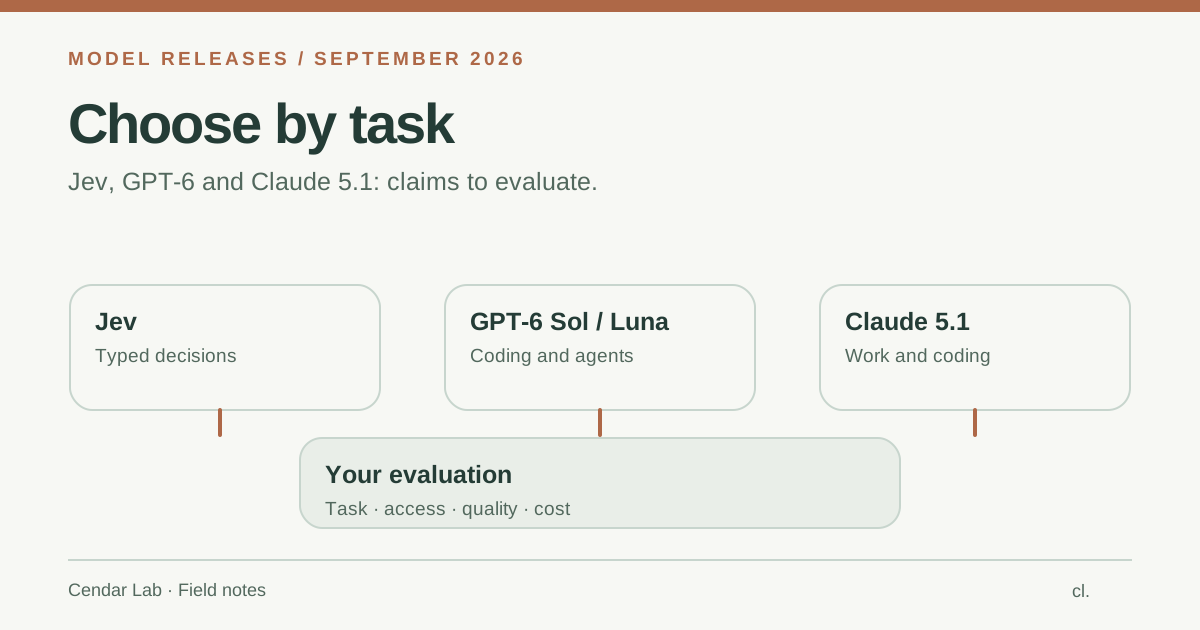
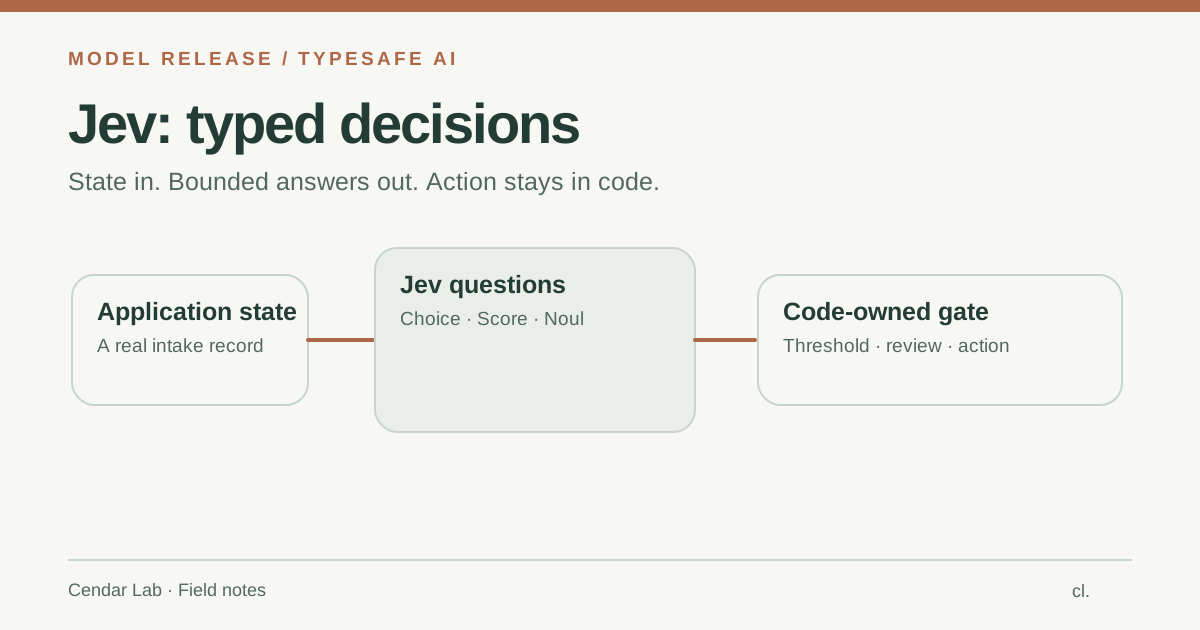
TypeSafe AI introduced Jev on September 15, 2026. Here is what its Choice, Score and Noul outputs can do, and what still needs evaluation before automation.
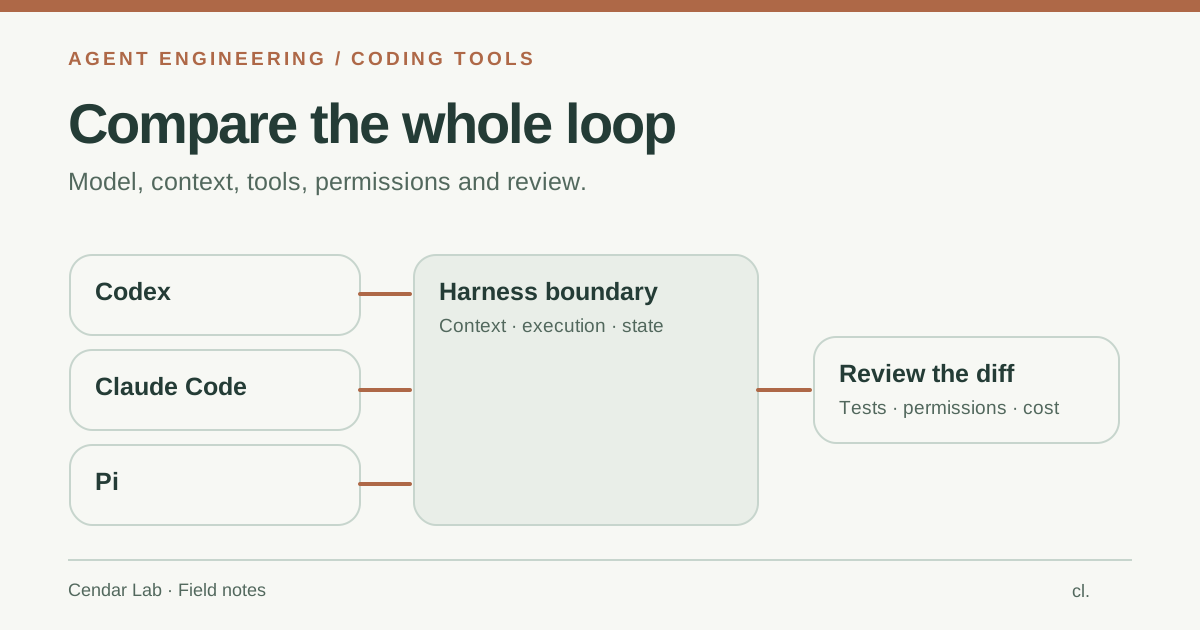
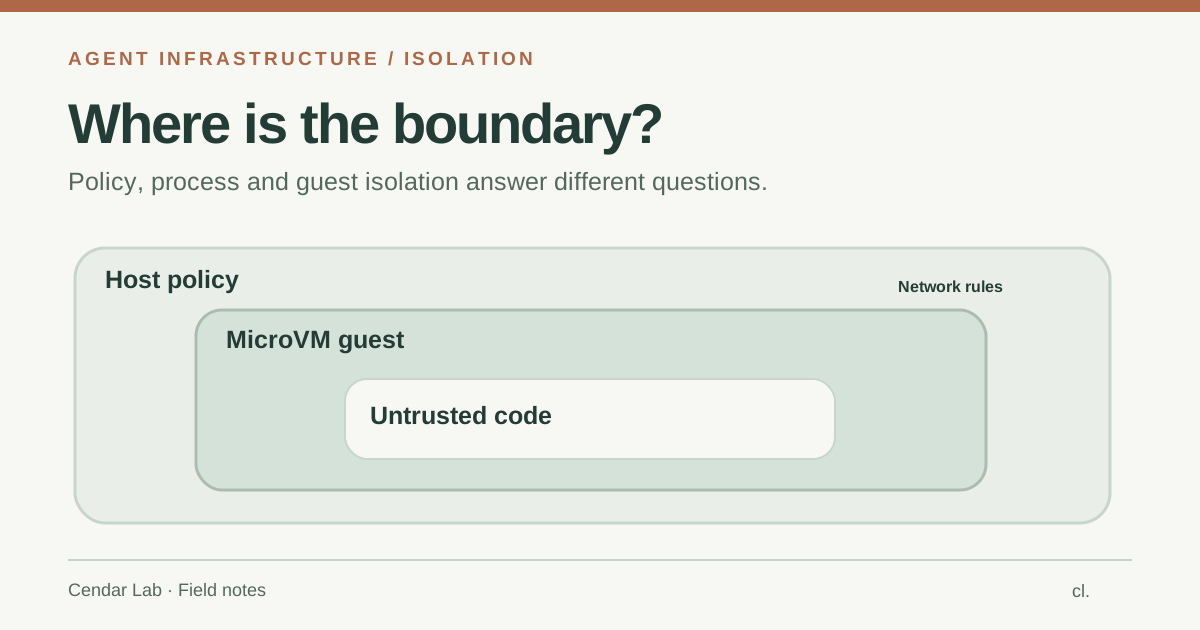
An agent's permission prompt, process sandbox, container and microVM each protect a different boundary. Start with the code and data the task can reach.
Repeated long prompts can increase latency and cost. Learn when prefix caching helps, what to compact, and which measurements to record before changing an agent workflow.
Combine vector and keyword retrieval for RAG. Learn where PostgreSQL full-text search differs from BM25, how RRF works, and what to evaluate before deployment.
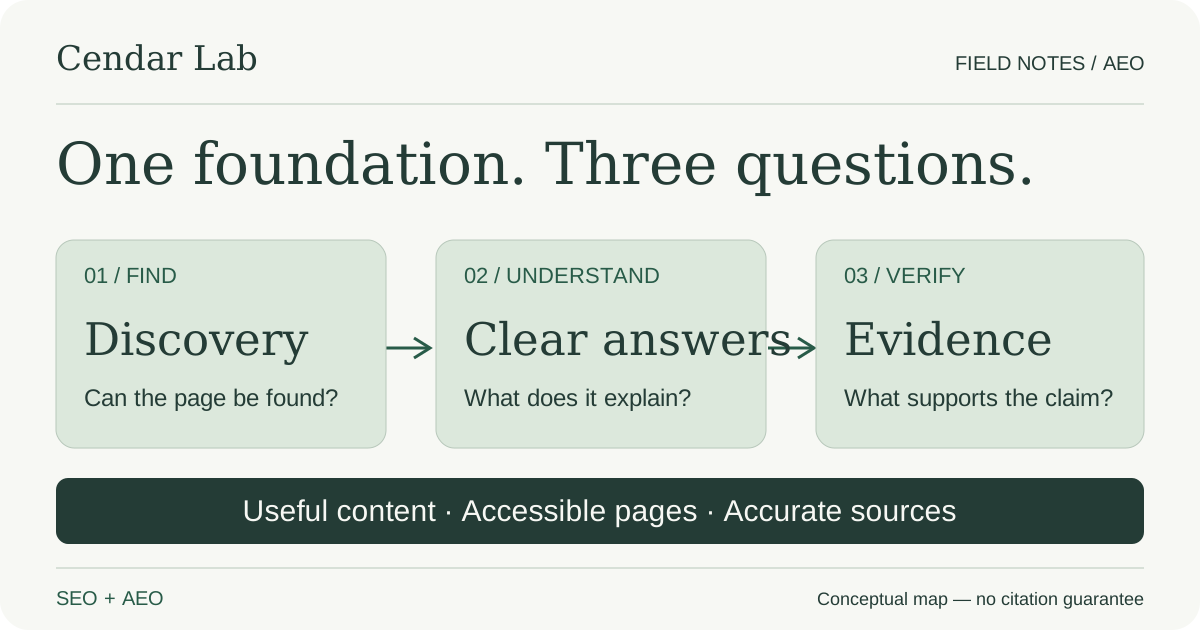
Answer Engine Optimization helps make useful information discoverable, understandable and supportable in AI answers. For a B2B company, it builds on SEO rather than replacing it.
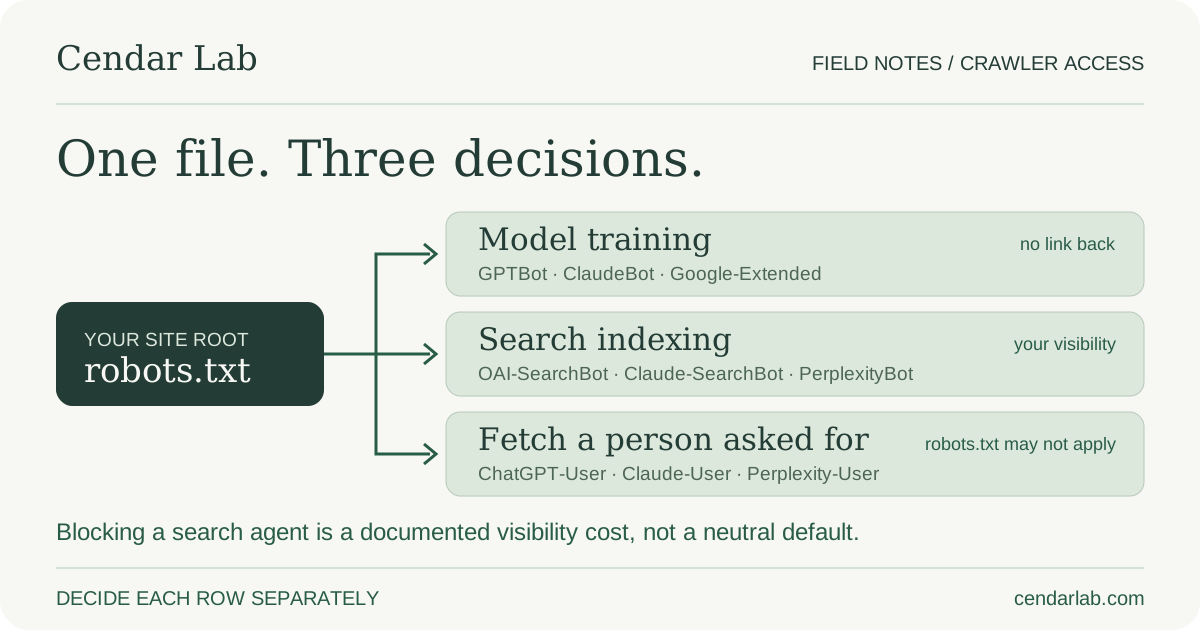
Training, search indexing and user-initiated fetching are three different requests, and each vendor gives them a different user agent. Decide them separately in robots.txt instead of allowing or blocking “AI” as one thing.
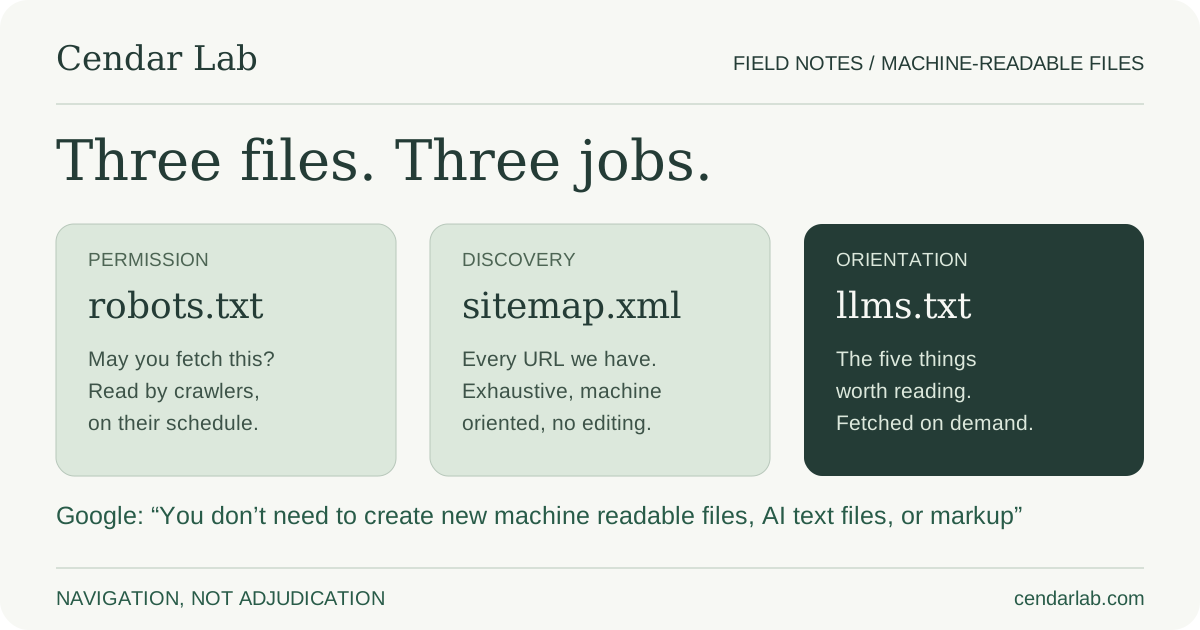
Google states that no AI text file is needed to appear in its AI features, and the llms.txt proposal never claimed to be a ranking signal. It describes an on-demand file for agents. Decide whether you have that use case before adding one.
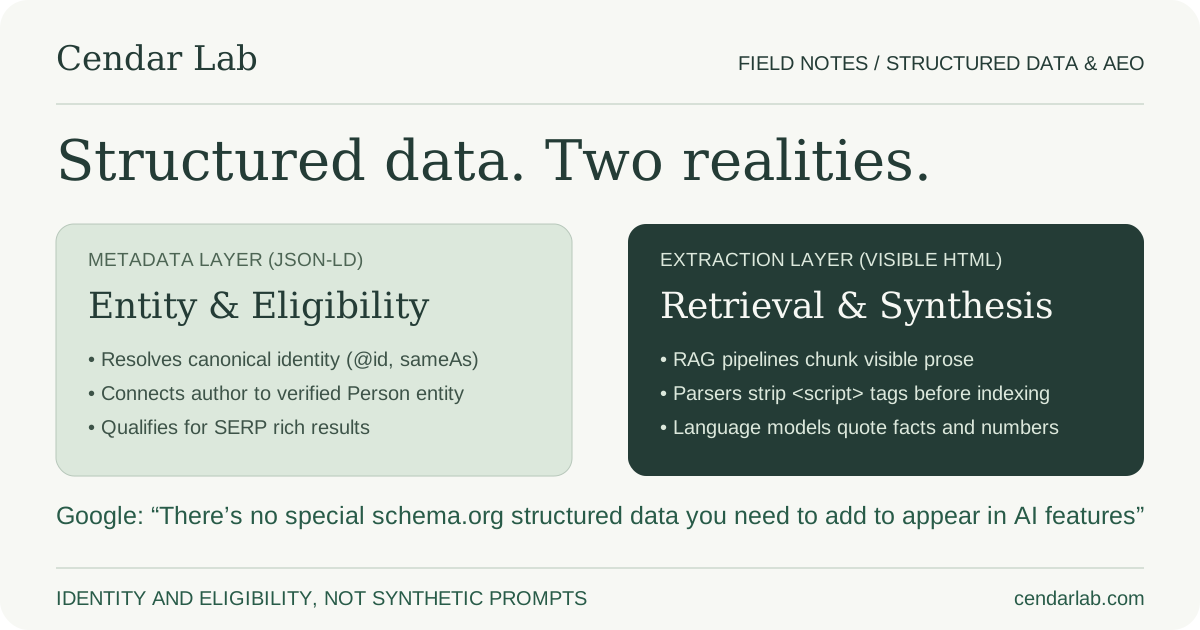
Structured data can describe visible page content, but it does not guarantee an AI citation. Learn when schema markup helps and how to validate what you publish.
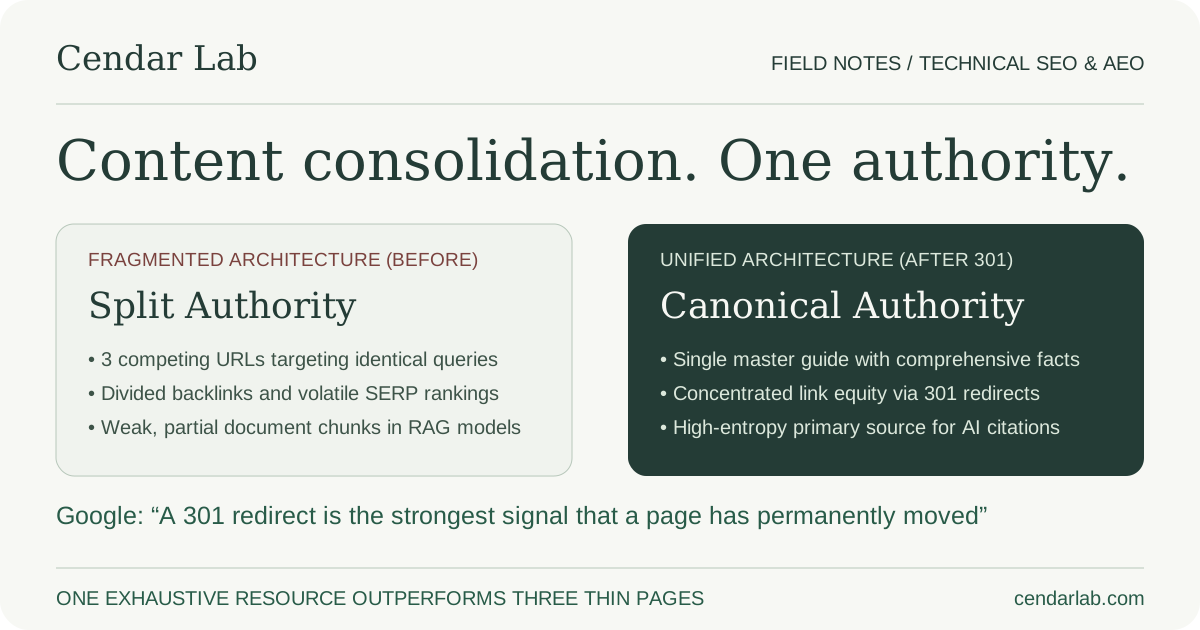
Overlapping pages can confuse readers and maintenance. Learn when to merge content, how to preserve useful material and how to verify redirects and internal links.
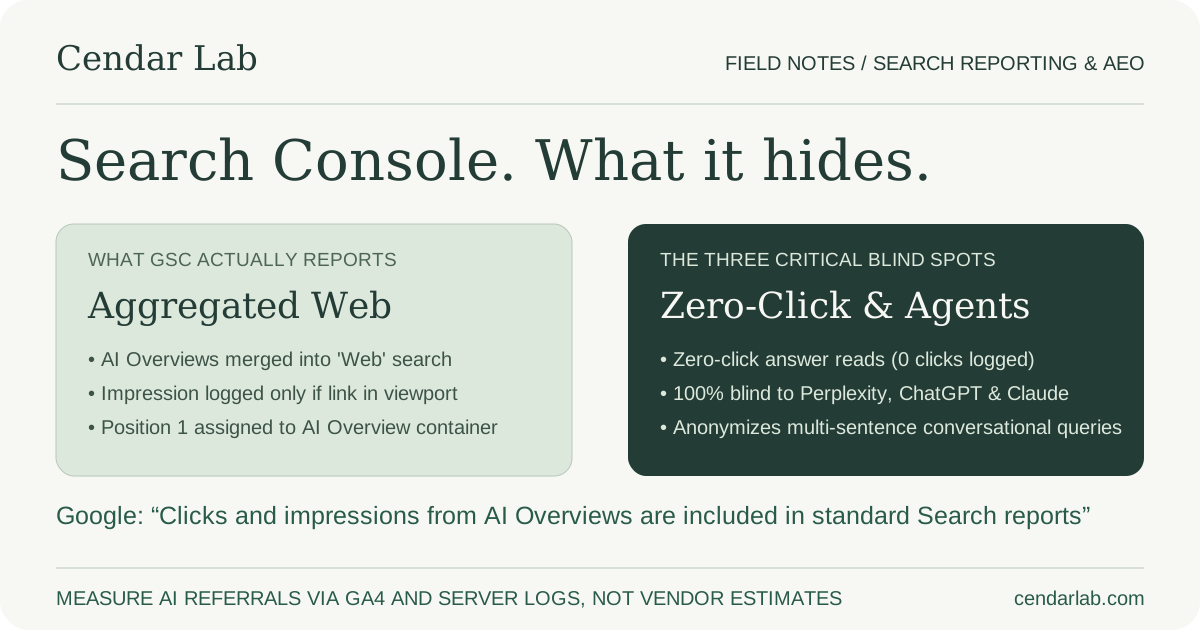
What can Search Console show about AI search features? Separate documented reporting from estimates, then pair query data with the referrals you can actually observe.
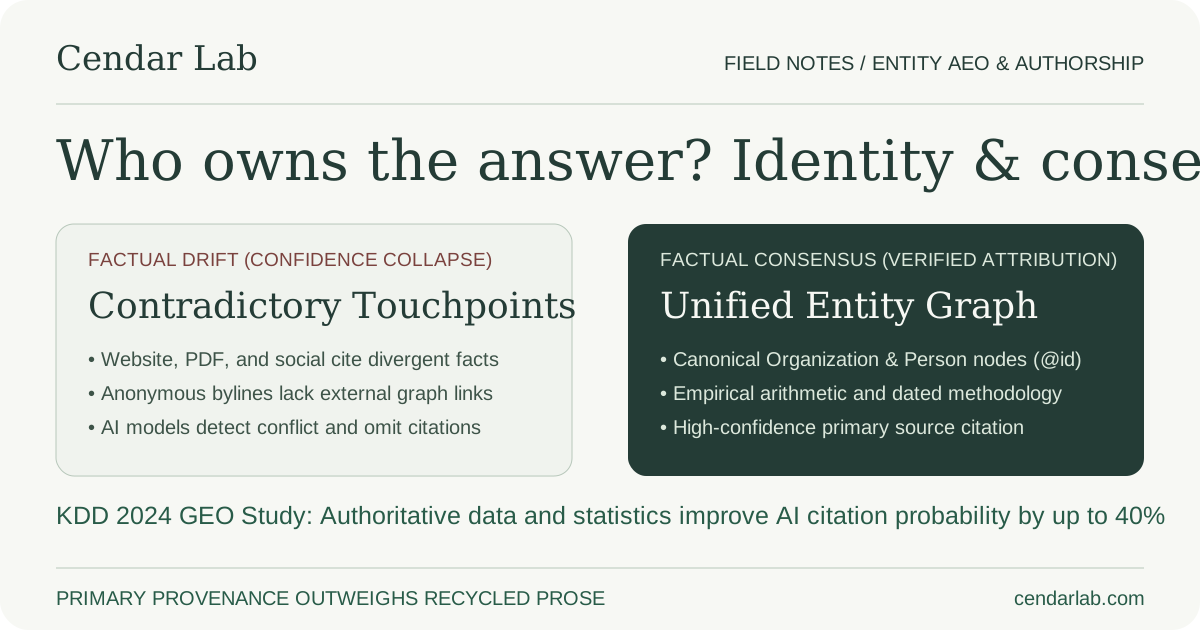
When several pages make different claims about the same company, which should a reader trust? Review source ownership, factual consistency and visible evidence before adding more markup.
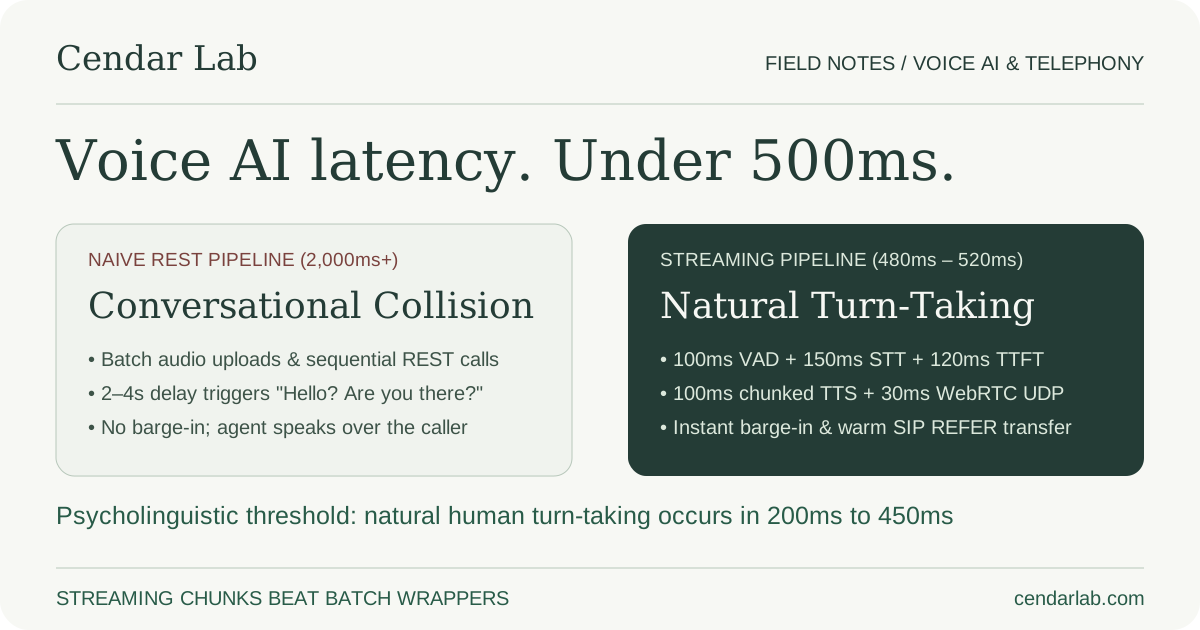
Break down speech recognition, model response, speech output and telephony delay. Learn where to measure, test interruptions and keep tool results from becoming premature promises.
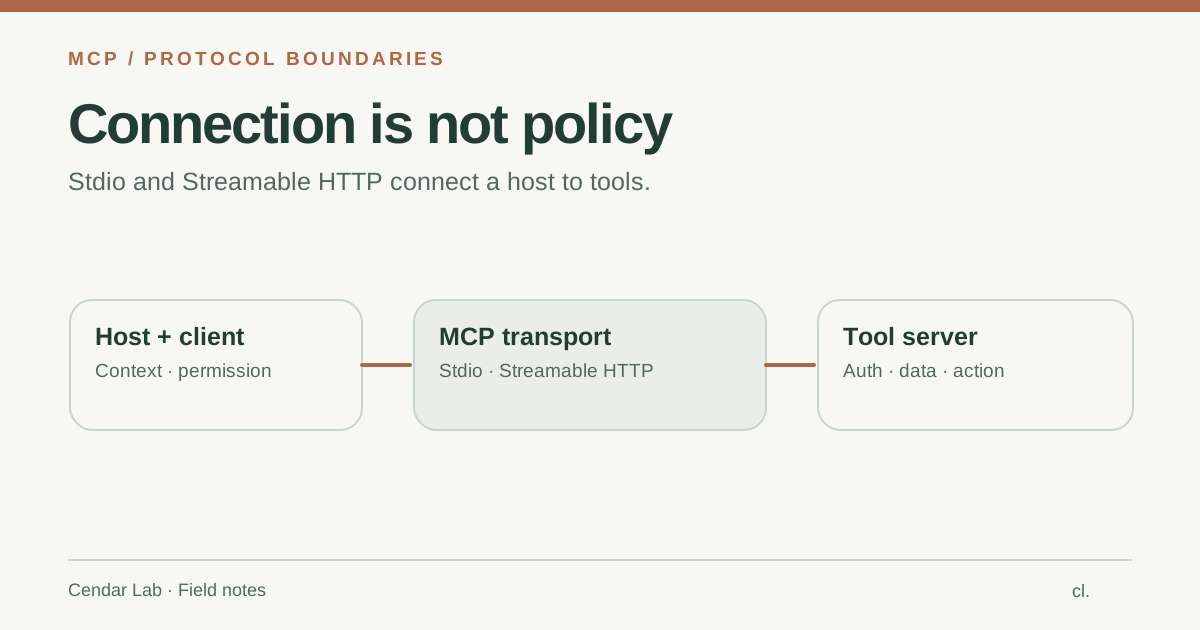
MCP standardizes how hosts connect to tools and context servers. Learn what the protocol covers, what the application still owns, and which controls to test before deployment.
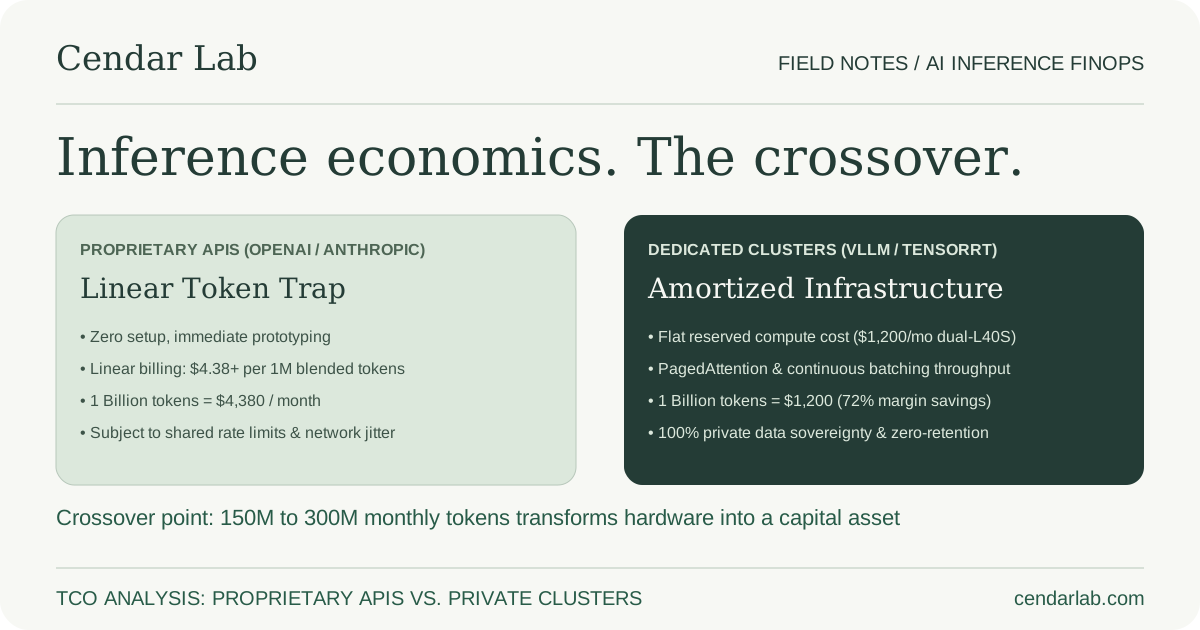
Compare a managed model API with dedicated inference using your prompt volume, concurrency, latency target, hardware costs and operating responsibilities.
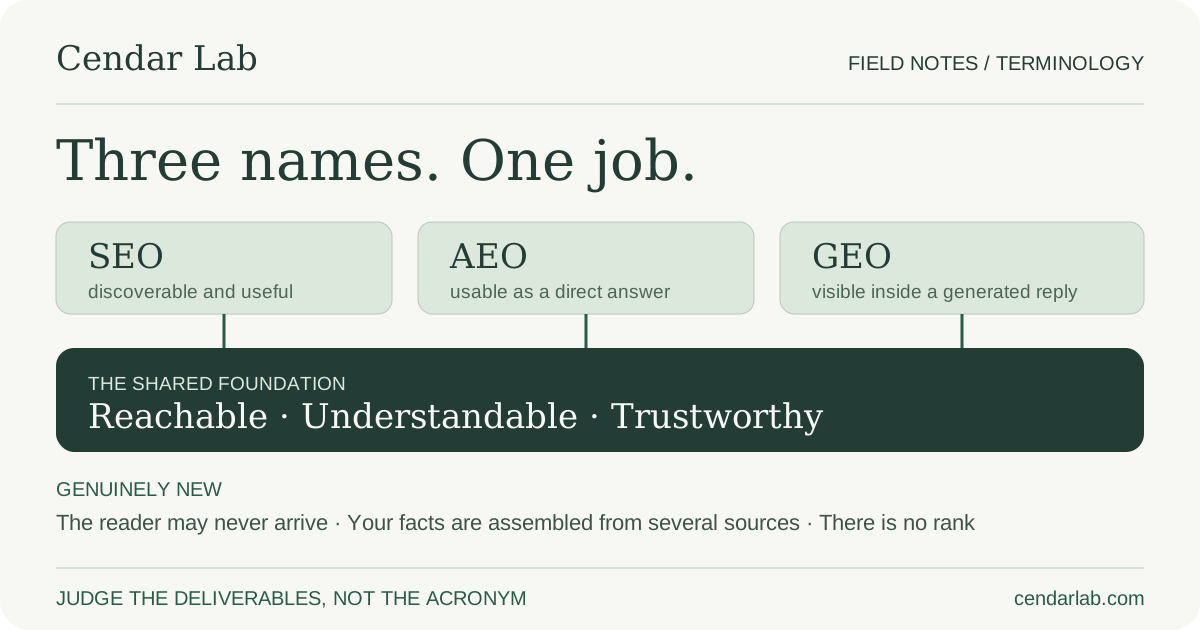
GEO began as an academic paper on optimizing content for generative engines. AEO is a practitioner term for being usable as a direct answer. SEO is the discipline both build on. The differences that matter are practical, not terminological.
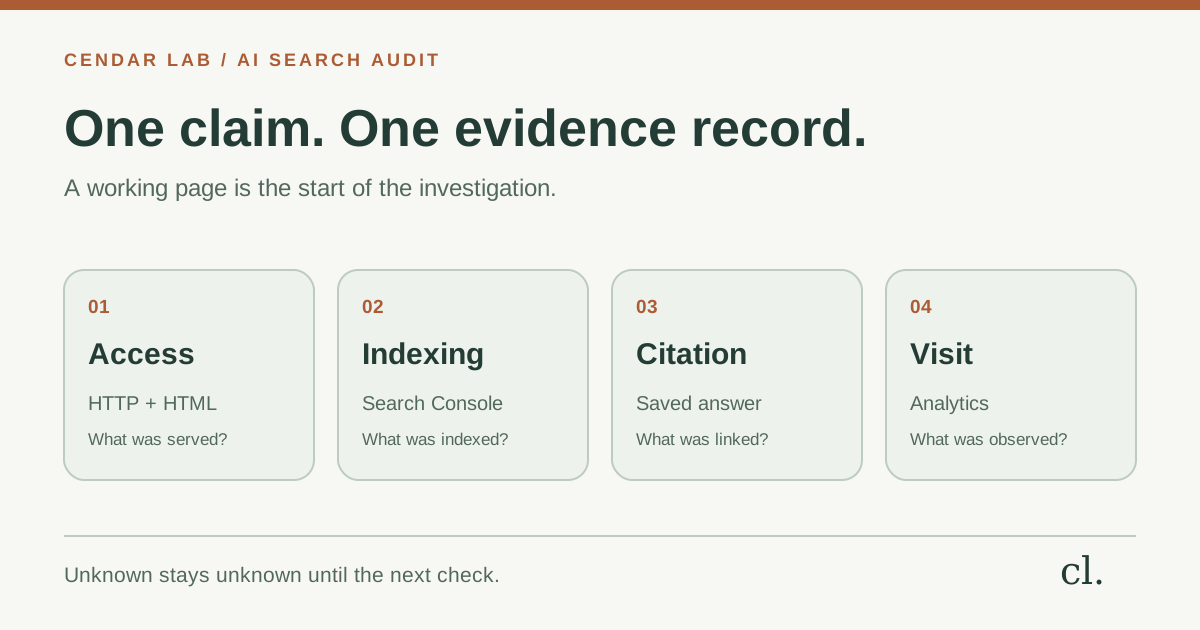
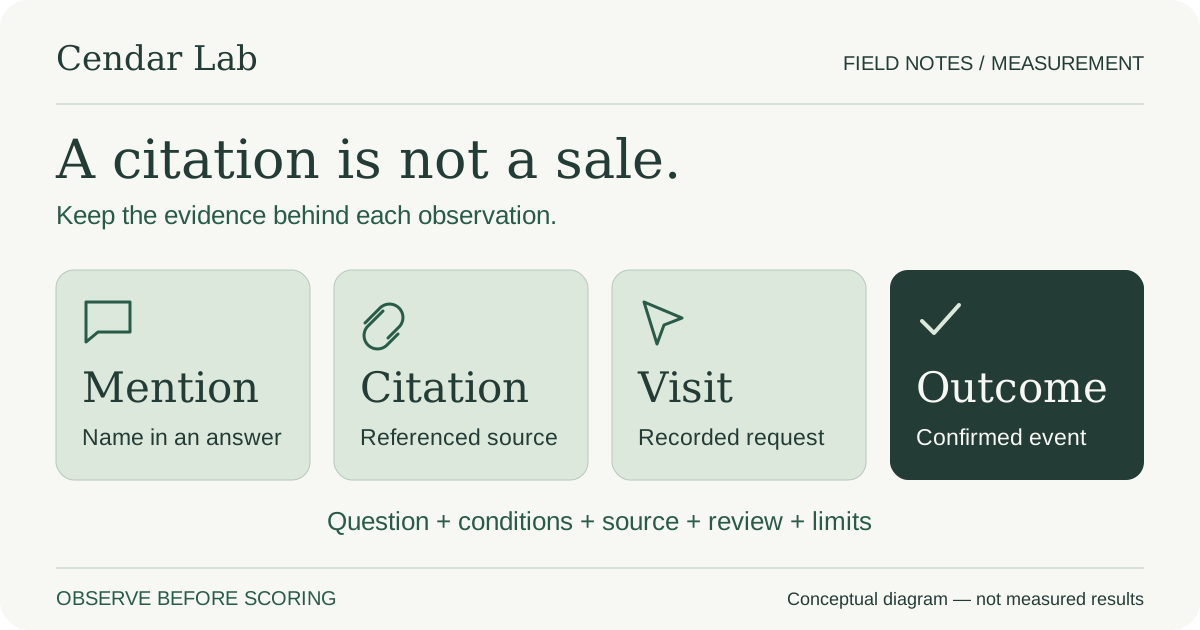
Measure AI citations with a defined question sample, recorded test conditions and source-level review. Keep mentions, supporting citations, referral visits and business outcomes separate.
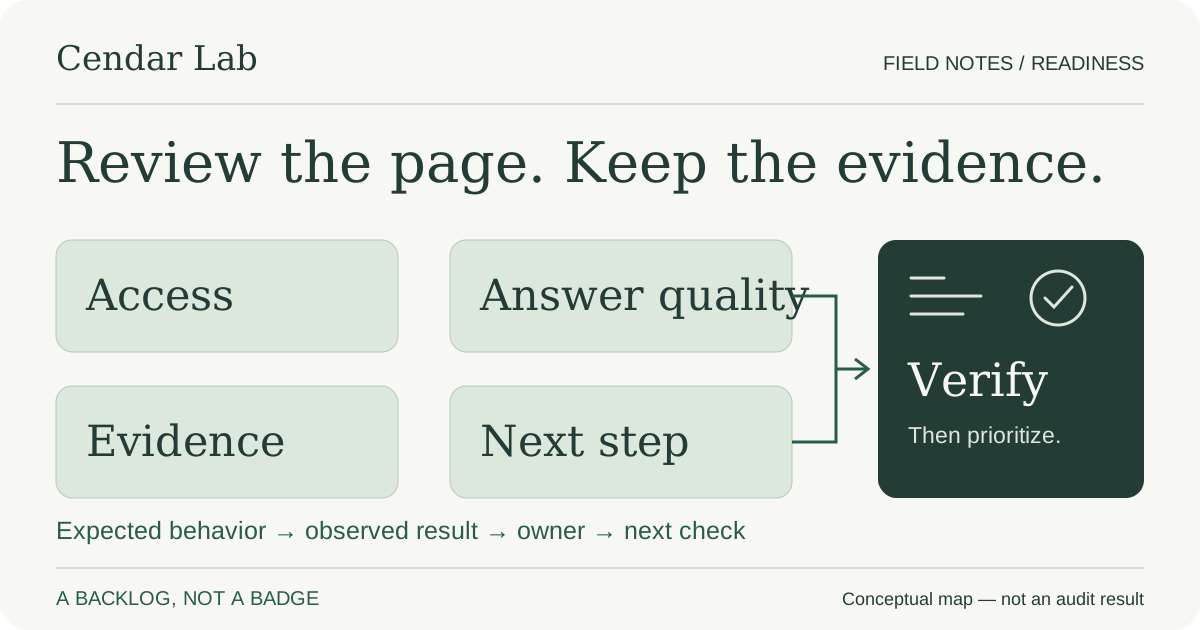
Review the real page, its claims, discovery paths and next steps before adding more content. This checklist produces an evidence-backed improvement backlog, not a score that promises AI citations.